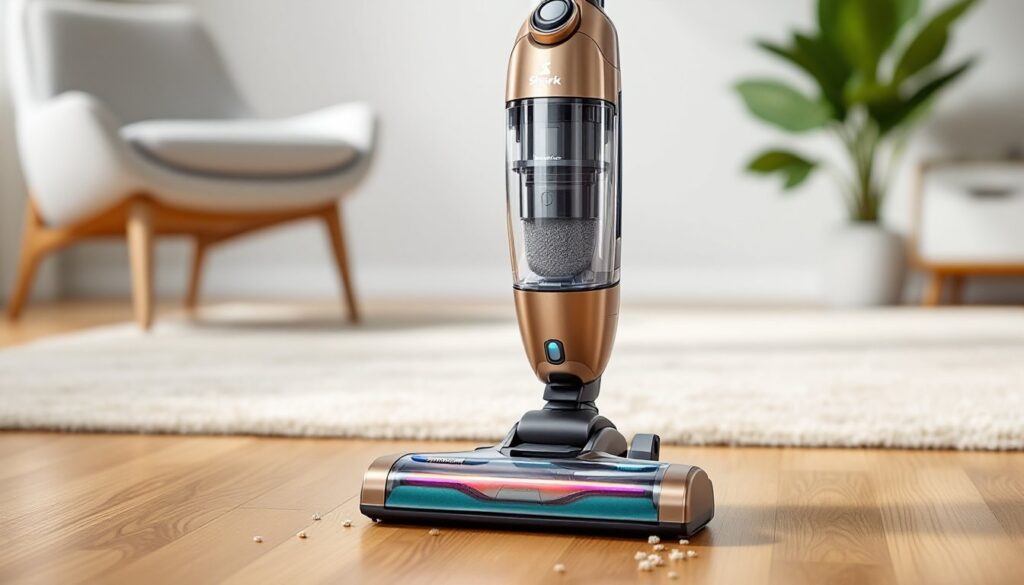

Walk into any playroom these days, and you’ll spot miniature versions of grown-up tools: toy kitchens, plastic toolsets, pint-sized lawn mowers, and, increasingly, Dyson kids vacuums. These aren’t your run-of-the-mill toys. They’re scaled-down replicas of real Dyson machines, complete with working suction, swirling cyclones visible through clear plastic, and authentic sounds. Parents love them because they turn cleaning into play. Kids love them because they can “help” just like mom or dad. But with so many options on the market, from toy vacuum models that barely pick up paper bits to units that genuinely work, choosing the right one can feel like navigating a hardware aisle without a plan.
Table of Contents
ToggleKey Takeaways
- A Dyson kids vacuum with real suction, like the licensed Casdon models, turns cleaning into engaging pretend play while teaching children motor skills and household responsibility.
- The two top Dyson toy vacuum options—the Ball upright and Cord-Free stick—are designed for different ages, with the Ball model ideal for ages 4-7 and the lighter stick model better for toddlers ages 2-3.
- When choosing a kids vacuum, prioritize real suction capability, a clear cyclone chamber for visual appeal, lightweight design (under 2 lbs), and durable construction over cheaper knock-offs that lack functionality.
- Toy vacuums support child development by building gross motor skills, teaching cause-and-effect learning, and establishing healthy attitudes toward household chores through imitative play.
- For optimal performance, empty the dustbin after each use, manage batteries properly, inspect moving parts regularly, and supervise younger children to ensure both safety and long-term durability of the toy.
Why Kids Love Dyson Toy Vacuums
The appeal of a kids Dyson vacuum isn’t just about mimicking adults, though that’s a big part. Young children are wired to observe and imitate. When they see a parent pushing a vacuum, they want to join in. A toy vacuum that looks, sounds, and behaves like the real thing taps directly into that developmental stage.
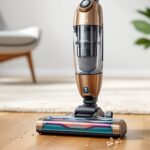
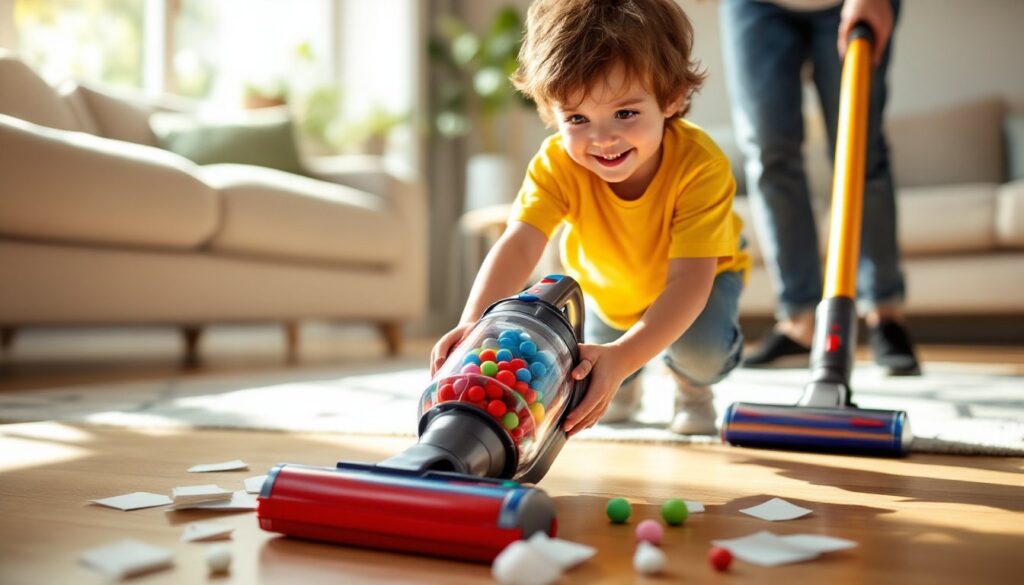
Dyson’s design makes it especially magnetic. The clear plastic canisters let kids watch colorful beads or lightweight debris swirl around the cyclone chamber, pure visual satisfaction. The machines are also lightweight enough for toddlers to push and steer, usually weighing between 1.5 and 2 pounds, compared to full-size vacuums that clock in at 12-18 pounds.
And then there’s the question parents always ask: does the Dyson toy vacuum really work? The answer depends on the model. Most replicas use a low-power motor to generate light suction that can pick up small paper scraps, foam balls, or cereal bits off hard floors. They won’t deep-clean carpet or handle pet hair, but they do enough to make the play experience feel authentic, and that’s the point. Kids aren’t trying to pass a white-glove test. They’re learning through pretend play that mirrors real household tasks.
Top Dyson Kids Vacuum Models Available Today
As of 2026, the two most popular Dyson toy vacuum options are made by Casdon, a UK-based toy manufacturer licensed to produce Dyson replicas.
Casdon Dyson Ball Vacuum
This is the flagship model. It replicates the look of Dyson’s Ball upright vacuums, with a spherical base that swivels for maneuverability. Key specs:
- Real suction: Picks up lightweight debris like paper, foam beads, and small cereal pieces
- Clear cyclone bin: Visible swirling action with colorful beads included
- Weight: Approximately 1.8 lbs
- Battery: Requires 4 C batteries (not included)
- Height: About 26 inches, right-sized for kids aged 3-7
This model gets recommended by parents who want something that actually works. One review of toy vacuums notes it as one of the few that delivers real function alongside realistic design.
Casdon Dyson Cord-Free Vacuum
Modeled after Dyson’s stick vacuums, this handheld version is lighter and easier for younger kids to control. Features:
- Battery-powered suction: Similar pickup capability to the Ball model
- Removable dustbin: Kids can empty it just like the real thing
- Weight: Around 1.5 lbs
- Ideal age range: 2-5 years
Both models are widely available at major retailers and online. Pricing typically runs between $30 and $50, depending on sales and region.
Key Features to Look for in a Dyson Kids Vacuum
When evaluating a kids Dyson vacuum, focus on these practical features, not marketing hype.
Real Suction vs. Sound Effects Only
Some toy vacuums just make noise and light up. Others have a small motor that generates actual suction. If you want your child to experience genuine feedback, seeing debris get picked up, look for units that advertise “working suction” or “real pickup.”
Clear Cyclone Chamber
Dyson’s signature design element. The clear plastic lets kids watch debris and beads spin around, which is hugely satisfying for visual learners. Many models include colorful balls specifically for this effect.
Weight and Ergonomics
A toy that’s too heavy or awkward defeats the purpose. Most quality replicas weigh under 2 pounds and have adjustable or kid-sized handles. Check the listed height, upright models around 24-28 inches work well for preschool through early elementary ages.
Battery Type and Life
Most models run on C or AA batteries. Expect to replace them every few weeks with regular use. Some parents swap in rechargeable batteries to cut down on waste and cost.
Removable Dustbin
Kids love the ritual of emptying the bin. Models with easy-release canisters add to the realism and teach cleanup responsibility.
Durability
Plastic toys take a beating. Look for units with solid construction, especially around the wheels and handle joints. Casdon models are known for lasting through multiple kids and rough play.
Benefits of Toy Vacuums for Child Development
A Dyson toy vacuum isn’t just a novelty, it’s a tool that supports several developmental milestones.
Motor Skills and Coordination
Pushing, steering, and maneuvering a vacuum, even a toy one, builds gross motor skills. Kids practice balance, spatial awareness, and hand-eye coordination as they navigate around furniture and corners.
Imitative Play and Life Skills
Children learn by watching and copying. When they “help” with chores using a toy vacuum, they’re internalizing the idea that cleaning is a normal, shared responsibility. Over time, that translates into real participation in household tasks.
Cause and Effect
Seeing debris disappear into the canister or watching beads swirl teaches basic physics: action leads to result. For toddlers and preschoolers, this is foundational learning.
Responsibility and Routine
Having their own “tool” gives kids ownership. They’re more likely to pitch in during actual cleaning time if they’ve practiced with a toy version. It’s the same principle behind toy kitchens and tool benches, pretend play builds real competence.
Many families with smart home technology use robotic vacuums, but there’s still value in kids learning the manual process. It grounds them in the basics before automation takes over.
How to Choose the Right Dyson Kids Vacuum for Your Child
Match the toy to your child’s age, interests, and your home’s layout.
Age 2-3: Lightweight Stick Models
Go with the Casdon Cord-Free Vacuum. It’s lighter, shorter, and easier for toddlers who are still developing balance. The handheld design is less intimidating than a full upright.
Age 4-7: Full Upright Replicas
The Casdon Dyson Ball Vacuum is ideal here. Kids this age can handle the slightly larger size and appreciate the added realism of the swiveling ball base and visible cyclone action.
Floor Type Considerations
Toy vacuums work best on hard floors, tile, laminate, hardwood. They’ll roll over low-pile carpet but won’t pick up much. If your home is mostly carpeted, set expectations accordingly. Use foam balls or paper scraps on carpet for pretend play rather than expecting real cleanup.
Interest Level
Some kids are obsessed with mimicking chores: others lose interest fast. If your child already “helps” by following you around during cleaning, a toy vacuum is a solid investment. If they’re indifferent, it might collect dust, ironic, but true.
Budget
Quality toy vacuums run $30-50. Cheaper knock-offs ($15-20) often lack real suction or break quickly. For something that gets regular use, the licensed Casdon models are worth the extra cost.
Maintenance and Safety Tips for Kids Vacuums
Even toy vacuums need basic upkeep to stay functional and safe.
Battery Management
Remove batteries if the toy won’t be used for more than a week. This prevents corrosion and extends motor life. Keep a supply of the correct size (C or AA batteries) on hand, nothing kills playtime momentum faster than dead batteries.
Regular Cleaning
Empty the dustbin after each play session. Small debris can jam the motor or reduce suction. Wipe down the exterior with a damp cloth to remove sticky fingerprints and grime.
Check for Small Parts
Most toy vacuums include colorful beads or balls for the cyclone chamber. These are a choking hazard for kids under 3. If you have younger siblings in the house, store the beads separately or skip them altogether.
Supervision for Younger Kids
While these toys are designed for ages 2+, toddlers should be supervised, especially around stairs or when playing near cords from real appliances. The toy vacuum itself is cordless, but it’s easy for kids to confuse it with the real thing.
Inspect Moving Parts
Check wheels and handle joints regularly. If parts become loose or cracked, repair or replace the toy. A wobbly handle can frustrate kids or lead to rough handling that damages the motor.
Storage
Keep the vacuum in a dry, accessible spot, preferably near where you store the real vacuum. This reinforces the connection between toy and tool. Households focused on home organization often designate a low closet shelf or bin for kids’ cleaning toys alongside brooms and dustpans.
Conclusion
A Dyson kids vacuum isn’t a gimmick, it’s a well-designed tool that turns chores into play and builds real skills along the way. Whether you choose the upright Ball model or the lighter cord-free stick, the key is matching it to your child’s age and your home’s setup. Look for real suction, durable construction, and features that keep kids engaged. With a little maintenance and the right expectations, these toys deliver years of imaginative play, and might even inspire a future generation of DIYers who don’t mind picking up after themselves.