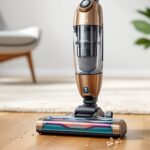

Anyone who’s wrestled with stubborn pet hair embedded in carpets or watched fine dust scatter across hardwood knows that not all vacuums are created equal. Shark’s DuoClean technology tackles both surfaces in a single pass, no attachment swaps, no second rounds. Since its introduction, the dual-brushroll system has changed how homeowners approach whole-home cleaning, combining a bristle brush for carpets with a soft roller for hard floors. This guide breaks down what makes the shark duo vacuum cleaner tick, which models suit different home layouts, and how to keep the machine running like new for years.
Table of Contents
ToggleKey Takeaways
- Shark DuoClean technology features dual brushrolls—a soft velvet roller for hard floors and a rear bristle brush for carpets—eliminating the need for attachment swaps and reducing cleaning passes by up to 50%.
- The anti-allergen complete seal and HEPA filtration system trap 99.9% of dust and allergens, making Shark duo vacuum models ideal for homes managing asthma or seasonal allergies.
- Choose between corded uprights for large homes (Vertex PowerFins), lightweight stick models for apartments (Rocket Ultra-Light), or cordless multiFLEX options for multi-level homes based on your square footage and flooring mix.
- Monthly brushroll cleaning, quarterly filter washing, and regular dust cup emptying at the MAX line prevent suction loss and extend your Shark DuoClean vacuum’s lifespan by years.
- Loss of suction, brushroll jams, and overheating typically stem from dust buildup, hair wraps, or hose clogs—all fixable issues that don’t require professional repair.
What Makes the Shark Duo Clean Technology Unique?
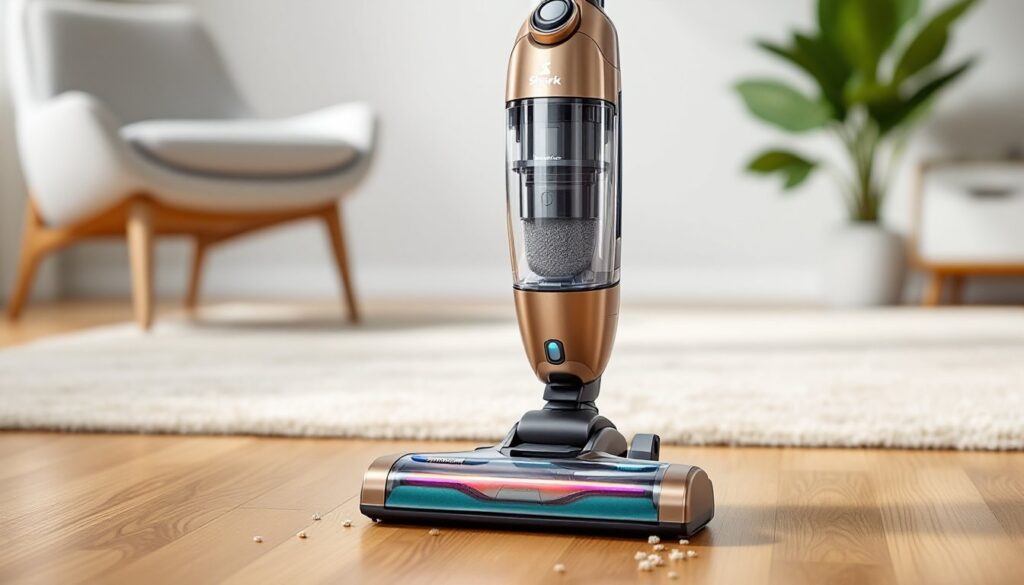
Traditional vacuums force you to choose: a beater bar that deep-cleans carpet but scratches hardwood, or a gentle roller that glides over tile but leaves carpet fibers matted. Shark’s DuoClean system runs two brushrolls simultaneously, one directly behind the other.
The front roller is a soft velvet-textured sleeve designed to pull large debris and fine dust off hard floors without flinging particles forward. The rear bristle brush digs into carpet pile, agitating fibers to lift embedded dirt, pet dander, and hair. Because both brushrolls spin in the same housing, the vacuum transitions from area rug to laminate without adjustment.
This dual-action setup reduces the number of passes needed and eliminates the awkward dance of switching floor heads mid-clean. For homes with mixed flooring, think open-plan living rooms that flow from engineered wood into a wool rug, it’s a practical time-saver. Independent lab tests, including evaluations by Good Housekeeping Institute, consistently show DuoClean models capturing more fine dust on hard surfaces than single-brushroll competitors.
Key Features That Set Shark Duo Clean Vacuums Apart
Beyond the dual brushrolls, several engineering choices make these vacuums stand out in a crowded market.
Anti-Allergen Complete Seal + HEPA Filtration: The sealed system traps 99.9% of dust and allergens inside the vacuum, preventing exhaust plume that re-contaminates the room. Essential for households managing asthma or seasonal allergies.
Lift-Away Canister: Most Shark DuoClean uprights feature a detachable canister that converts the machine into a portable unit. Pop the canister off the wand to vacuum stairs, upholstery, or ceiling corners without lugging the entire base. The canister houses the motor and dust cup, keeping the handheld portion balanced.
Swivel Steering: A ball-joint neck lets the floor head pivot almost 180 degrees, navigating around chair legs, table bases, and doorjambs with minimal wrist effort. It’s a small detail that prevents the frustration of repeatedly backing up to angle around obstacles.
LED Headlights: Low-profile lights mounted on the floor nozzle illuminate dust bunnies hiding under sofas and along baseboards. Sounds gimmicky until you spot the layer of construction dust you missed after a drywall patch.
Cord Length & Runtime: Corded models typically include a 30-foot power cord, covering roughly 1,500 square feet from a single outlet. Cordless versions (like the Shark duo vacuum cleaner ION series) offer 40–60 minutes on standard mode, dropping to 12–20 minutes on boost if you’re tackling high-pile carpet.
Best Shark Duo Clean Models for Different Home Types
Choosing the right model depends on square footage, flooring mix, and whether pets share the space.
Shark Vertex DuoClean PowerFins (Corded Upright): Best for large homes (2,000+ sq ft) with multiple floor types. The PowerFins brushroll upgrades the standard bristle design with flexible rubber fins that grip and pull hair directly into the suction channel, no wrap around the roller. Runtime is unlimited via cord, and the 0.9-quart dust cup handles whole-house sessions without frequent emptying. Weighs 16 pounds, so stairs require the Lift-Away mode.
Shark Rocket DuoClean Ultra-Light (Corded Stick): Ideal for apartments or single-story condos under 1,200 sq ft. At 8.6 pounds, it maneuvers like a cordless but never needs charging. The slimmer profile stores in coat closets. Trade-off: smaller 0.4-quart dust bin means emptying mid-clean if you’re vacuuming after a renovation.
Shark ION F80 DuoClean (Cordless MultiFLEX): Targets multi-level homes where dragging a cord upstairs isn’t practical. The MultiFLEX wand folds in half for under-furniture reach and compact storage. Two removable lithium-ion batteries provide up to 80 minutes combined runtime. Works well for busy families who spot-clean daily rather than marathon-vacuuming weekly.
Shark Navigator Lift-Away DuoClean: The budget-friendly entry point. Corded upright with full DuoClean capability and Lift-Away canister, typically priced 30–40% below Vertex models. Lacks PowerFins and advanced swivel finesse, but handles mixed flooring and pet hair without complaint. Smart pick for first-time homeowners or rental properties.
How to Use Your Shark Duo Clean Vacuum for Maximum Performance
Even well-engineered machines underperform if used incorrectly. Follow these steps to get the most suction and coverage.
1. Pre-Clean Large Debris: Pick up coins, paper clips, LEGO bricks, and other hard objects by hand. The soft front roller can snag on items taller than ¼ inch, jamming the brushroll or tearing the velvet sleeve.
2. Adjust Suction Settings: Most models offer standard and boost modes. Use standard for routine cleaning: save boost for high-pile rugs or embedded dirt. On cordless units, boost drains the battery roughly three times faster.
3. Overlap Your Passes: Push the vacuum forward slowly, then pull back over the same path. The front roller captures debris on the forward pass: the rear bristles agitate on the return. Overlapping by 50% ensures no strips are missed.
4. Engage Hard Floor Mode (If Equipped): Some DuoClean models include a hard-floor optimization that slows the front roller slightly, preventing scatter. Check the control panel or app settings.
5. Use Attachments for Edges: The main floor head doesn’t reach flush against baseboards. Switch to the crevice tool or dusting brush for the final ½ inch along walls and corners.
6. Empty the Dust Cup at the MAX Line: Overfilling reduces airflow and suction. Empty after each session, even if the cup looks half-full, compressed dust takes up less visual space but still chokes the filter. For homes with ongoing renovations, daily emptying prevents fine drywall or sawdust from caking the filter mesh.
Maintenance Tips to Extend Your Vacuum’s Lifespan
Routine upkeep prevents expensive repairs and keeps suction strong. Budget 10 minutes monthly for these tasks.
Monthly Brushroll Cleaning: Hair and string wrap around both brushrolls, creating drag and burning out the motor. Pop off the floor nozzle bottom plate (usually two screws or snap clips), then slice wrapped debris with scissors or a seam ripper. Wipe rollers with a damp cloth to remove sticky residue.
Filter Washing (Every 3 Months): Rinse both the foam and felt filters under lukewarm tap water until the runoff is clear. Squeeze gently, wringing tears the foam. Air-dry completely (24 hours) before reinstalling. Running the vacuum with damp filters invites mold and kills suction. Replacement filters cost $10–15 and should be swapped annually even with regular washing.
Check Hoses for Clogs: If suction drops suddenly, detach the hose and shine a flashlight through. Clumps of pet hair or chunks of drywall often lodge at bends. A broom handle or plumber’s snake clears most blockages. For stubborn clogs, soak the hose in warm water with a splash of dish soap, then rinse.
Inspect Belts (Corded Models): The drive belt connects the motor to the brushrolls. If you smell burning rubber or the brushrolls stop spinning, the belt likely snapped or stretched. Replacement belts are model-specific: check your manual for part numbers. Swap takes about five minutes with a screwdriver.
Battery Care (Cordless Models): Lithium-ion batteries last 300–500 charge cycles. Avoid letting the battery drain to zero repeatedly, top off after each use. Store cordless vacuums in climate-controlled spaces: extreme heat or cold degrades cell capacity. If runtime drops below 50% of factory spec, consider a replacement battery ($60–80).
Common Issues and Troubleshooting Solutions
Most performance hiccups trace back to a handful of fixable problems. Here’s how to diagnose and resolve them.
Loss of Suction:
• Empty the dust cup and wash filters.
• Check for hose clogs (detach and inspect each section).
• Confirm the dust cup is seated correctly, misalignment breaks the seal.
• Inspect the HEPA filter: if it’s gray or caked, replace it even if recently washed.
Brushrolls Not Spinning:
• Clear hair wraps from both rollers.
• Check the drive belt for breaks or slack (corded models).
• Ensure the floor nozzle is fully clicked into place: many models have a safety cutoff if the head is loose.
Vacuum Shuts Off Mid-Clean:
• Thermal cutoff triggered by overheating. Let the motor cool for 45 minutes, then check for blockages restricting airflow.
• On cordless units, battery may be depleted or defective. Try the second battery if available.
Loud Grinding Noise:
• Foreign object (screw, small toy) caught in brushroll chamber. Power off, unplug, and remove the nozzle plate to inspect.
• Worn bearings on the brushroll spindle. If the roller wobbles when spun by hand, contact Shark support for a replacement nozzle assembly.
Dust Blowing Out the Exhaust:
• HEPA filter installed backward or missing. Confirm the rubber gasket seals against the housing.
• Crack in the dust cup or canister body. Run your hand around seams while the vacuum is on: you’ll feel air leaking. Replacement canisters are available through Tom’s Guide parts suppliers and Shark directly.
Cordless Model Won’t Charge:
• Clean the battery contacts on both the pack and the charger with isopropyl alcohol and a cotton swab.
• Test the charger with a multimeter (should read ~30V DC). If zero, the charger is dead.
• Battery may have entered sleep mode after deep discharge. Leave on the charger for 24 hours: some cells wake up after prolonged trickle charge.
For persistent issues beyond these fixes, motor failure, electrical faults, or cracked housing, contact Shark’s support line. Most models carry a five-year limited warranty covering defects but not wear items like filters and belts. Keep your purchase receipt: warranty claims require proof of purchase and the serial number (printed on the canister body).
Conclusion
The dual-brushroll design solves a real problem for mixed-surface homes, and proper maintenance keeps the system running without the performance drop common in aging vacuums. Match the model to your square footage and flooring type, follow the maintenance schedule, and you’ll skip the cycle of replacing a machine every two years. Clean filters, clear brushrolls, and a little troubleshooting go further than most realize.