
Cockroaches are one of the most stubborn pests a homeowner can face. They multiply fast, hide in tight crevices, and shrug off most over-the-counter sprays. If you’ve spotted one scuttling across your kitchen counter at 2 a.m., you’re not dealing with a lone wanderer, there’s likely a colony behind your walls. Advion roach gel bait has become the go-to solution for DIYers who want professional-grade results without calling an exterminator. This isn’t a surface spray that roaches dodge: it’s a targeted gel bait that exploits their feeding behavior and wipes out entire colonies. In this guide, you’ll learn exactly how to deploy it, where to apply it, and what mistakes to avoid so you can reclaim your home from these resilient invaders.
Table of Contents
ToggleKey Takeaways
- Advion roach gel bait uses the active ingredient indoxacarb to kill entire colonies through a domino effect, where poisoned roaches contaminate nestmates before dying within 24–72 hours.
- Proper placement is critical: apply pea-sized dots every 10–12 inches along roach pathways, particularly in kitchens, bathrooms, and wall voids where roaches actually travel, not where you see them.
- Advion roach gel remains effective for up to two years when left undisturbed and treats approximately 1,000 square feet per syringe, making it a cost-effective alternative to monthly exterminator visits.
- Expect to see initial results within 3–5 days, but complete elimination in moderate infestations typically takes 4–6 weeks with consistent monitoring and reapplication every two weeks.
- Common mistakes to avoid include over-application with large beads, mixing with sprays, ignoring sanitation, and placing gel in open areas rather than dark cracks and crevices where roaches feed.
- Combine Advion roach gel bait with sanitation and exclusion measures—sealing entry points and removing food sources—for lasting results that prevent new roaches from replacing eliminated colonies.
What Is Advion Roach Gel and How Does It Work?
Advion roach gel is a professional-strength insecticide bait formulated with indoxacarb, a slow-acting poison that disrupts the nervous system of cockroaches. Unlike contact sprays that kill on touch, this gel is designed to be eaten. Roaches consume the bait, return to their harborage areas, and die, but not before spreading the toxin to other roaches through feces and cannibalism. This secondary kill effect, called the “domino effect,” is what makes Advion so effective against hidden colonies.
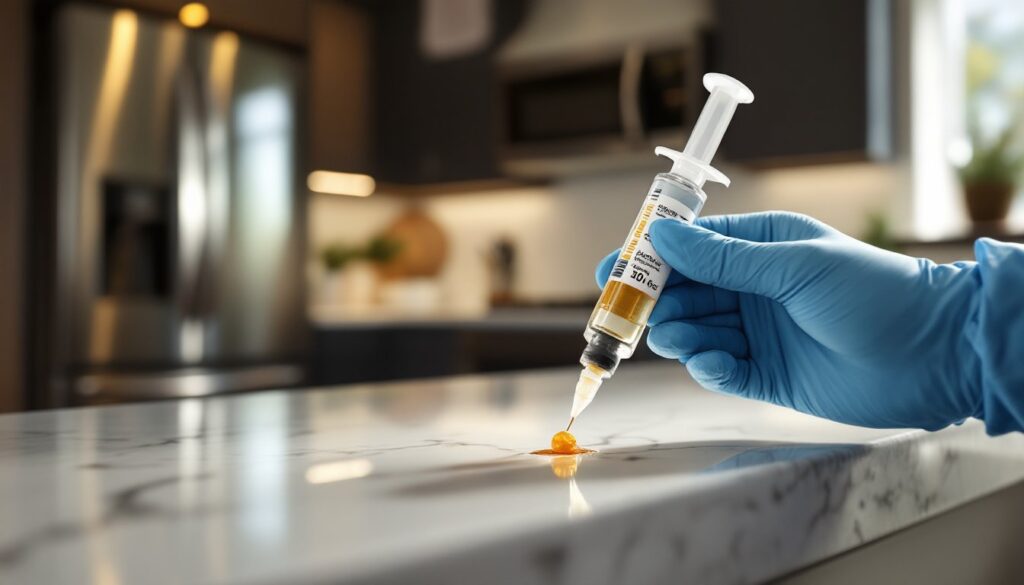
The gel comes in 30-gram syringes with a plunger tip, allowing precise placement in cracks, crevices, and voids where roaches travel. Each syringe delivers roughly 60 small bait placements (about 0.5 grams per spot), and a single application can last up to two years if left undisturbed. The active ingredient works on all common species, German, American, Oriental, and brown-banded cockroaches.
Indoxacarb is a bioactivated compound, meaning it’s relatively inert until a roach’s metabolism converts it into a lethal form. This selectivity makes it safer around non-target organisms compared to older organophosphates or carbamates. Once activated, it binds to sodium channels in nerve cells, causing paralysis and death within 24 to 72 hours. The delayed action is crucial: roaches need time to return to their nest and contaminate nestmates before they die.
Why Advion Roach Gel Is the Top Choice for DIY Pest Control
Professional exterminators have used Advion roach killer for years, and it’s now widely available to homeowners through pest control suppliers and online retailers. Several factors set it apart from consumer-grade traps and sprays.
First, it’s highly palatable. Roaches are notoriously picky eaters, and many baits lose effectiveness as roaches develop aversion to certain formulations. Advion uses food-grade attractants that remain appealing even to bait-shy populations. In side-by-side tests, roaches consistently choose Advion over competing gels.
Second, it works in areas you can’t reach. Sprays and foggers coat surfaces but miss the wall voids, pipe chases, and appliance gaps where roaches actually live. Gel bait goes where they feed, not where you see them.
Third, it’s low-odor and non-staining. You can apply it in kitchens, bathrooms, and electrical panels without leaving residue or chemical smells. The clear gel dries to a tan or brown color and stays pliable for weeks, maintaining palatability longer than hard baits.
Finally, it’s cost-effective. A four-pack of syringes typically runs $25 to $40 and treats an average home multiple times. Compare that to monthly exterminator visits at $100+ per service.
Many top-rated roach control products emphasize bait gels over sprays for exactly these reasons, they’re targeted, persistent, and scalable for severe infestations.
Step-by-Step Application Guide for Maximum Effectiveness
Proper placement is everything. Randomly squirting gel won’t cut it, you need to think like a roach and intercept their trails.
Materials & Tools:
- Advion roach bait gel (1 syringe treats roughly 1,000 sq ft)
- Flashlight
- Nitrile gloves (optional but recommended)
- Damp cloth for cleanup
- Painter’s tape or small labels (to mark application spots)
Application Steps:
-
Inspect and identify activity zones. Use a flashlight to check under sinks, behind appliances, along baseboards, and inside cabinets. Look for live roaches, fecal smears (dark brown or black specks), egg cases, and shed skins.
-
Clean the area lightly. Wipe away grease and food debris where you plan to apply bait. Roaches prefer bait over competing food sources, but heavy contamination can dilute effectiveness.
-
Apply small bead placements. Remove the cap, attach the plunger tip, and dispense pea-sized dots (about 0.5 grams) every 10 to 12 inches along roach pathways. More is not better, large globs dry out and become unappealing.
-
Space placements strategically. For light infestations, use 1–3 spots per 10 linear feet. Moderate to heavy infestations may need 3–5 spots per 10 feet. In severe cases, treat every crack, crevice, and void.
-
Reapply as needed. Check bait placements every two weeks. If gel is completely consumed or dried out, reapply. Active infestations may require touch-ups for 4–6 weeks until population crashes.
Where to Apply Advion Gel in Your Home
Target high-traffic roach zones, not random surfaces. Focus on:
- Kitchen: Under and behind refrigerator, stove, dishwasher, and microwave. Inside hinge-side gaps of cabinets, along drawer slides, and under the sink near plumbing penetrations.
- Bathroom: Behind toilets, under vanity sinks, along bathtub edges, and inside medicine cabinets.
- Utility areas: Near water heaters, furnace rooms, laundry areas, and electrical panels. Roaches are drawn to warmth and moisture.
- Wall voids and crevices: Along baseboards, door frames, window sills, and where pipes or wires enter walls. Use a putty knife to create a small gap if needed.
- Appliances: Inside motor housings of refrigerators, dishwashers, and microwaves (consult appliance manual: some voids are safe, others are not).
- Garage and basement: Along shelving, near storage boxes, and around sump pumps or floor drains.
Avoid placing gel on surfaces that get wet frequently or where it will be cleaned away. For outdoor perimeter treatments, apply under eaves, in crawl spaces, and near foundation cracks, but note that rain and UV exposure shorten gel lifespan outdoors.
Common Mistakes to Avoid When Using Roach Gel Bait
Even the best bait fails if misapplied. Here’s what trips up most DIYers.
Over-application. Bigger beads don’t mean faster kills. Large placements dry out, crack, and become unpalatable. Stick to pea-sized dots.
Mixing with sprays or cleaners. If you spray insecticide or heavy-duty cleaner near bait placements, roaches avoid the area entirely. The gel relies on roaches willingly approaching it. Wait at least 48 hours after spraying before applying gel.
Ignoring sanitation. Bait works best when it’s the most attractive food source. If your counters are covered in crumbs and grease, roaches may ignore the gel. Clean up spills, store food in sealed containers, and take out garbage nightly.
Placing gel in the open. Roaches are nocturnal and secretive. They won’t feed in brightly lit, open areas. Tuck bait into dark corners, cracks, and voids where they actually travel.
Forgetting to monitor and reapply. One application rarely solves a heavy infestation. Check placements weekly. If gel is gone, roaches are feeding, reapply. If it’s untouched after two weeks, move it closer to active harborage.
Using expired product. Advion has a shelf life of roughly two years when stored in a cool, dry place. Expired gel loses palatability and potency. Check the manufacturing date on the syringe.
Many homeowners also make the mistake of applying gel and then immediately deep-cleaning the area, wiping away placements. Mark application spots with painter’s tape so family members or housekeepers don’t accidentally remove bait.
How Long Does It Take to See Results?
Patience is key. Advion roach bait gel isn’t a knockdown spray, it’s a long-game strategy that targets the colony, not just the scouts.
You’ll typically see dead roaches within 3 to 5 days after initial application. These are the foragers who consumed bait and returned to their harborage. Over the next 1 to 2 weeks, you may notice an uptick in roach activity, this is normal. As poisoned roaches die and contaminate nestmates, the colony destabilizes, and more roaches venture out in search of food and water.
By week 3 to 4, activity should drop sharply. The domino effect will have cascaded through the population, killing nymphs, adults, and even roaches that never directly contacted the bait. Complete elimination in moderate infestations often takes 4 to 6 weeks with consistent monitoring and reapplication.
Severe infestations, especially German cockroach colonies with thousands of individuals, may require 8 to 12 weeks of continuous baiting. German roaches reproduce every 6 weeks, so breaking the breeding cycle is critical. Keep applying fresh bait until you see zero activity for at least two consecutive weeks.
Results also depend on sanitation and exclusion. If you’re baiting but leaving food out and ignoring entry points (gaps under doors, cracks around pipes), new roaches will replace the ones you kill. Effective roach control strategies combine bait with habitat modification for lasting results.
Safety Tips and Precautions for Homeowners
Advion roach gel is designed for crack-and-crevice application, meaning it goes in spaces not accessible to children or pets. When used correctly, it poses minimal risk, but you still need to follow basic safety protocols.
Personal Protection:
- Wear nitrile gloves during application to avoid skin contact with the gel and with roach allergens in infested areas.
- Wash hands thoroughly with soap after handling syringes, even if you wore gloves.
- Avoid touching your face or eating while applying bait.
Pet and Child Safety:
- Apply gel in areas inaccessible to kids and pets: behind appliances, inside wall voids, under toe kicks, and in high cabinets.
- Do not apply on countertops, floors, or any surface where children or pets can reach.
- If a child or pet ingests gel, call Poison Control (1-800-222-1222) or a veterinarian. Indoxacarb has low acute toxicity, but medical guidance is recommended.
- Store unused syringes in a locked cabinet or high shelf, away from curious hands and paws.
Food Contact Surfaces:
- Never apply gel directly on food prep areas, dishes, or utensils.
- If gel accidentally contacts a food surface, clean it immediately with hot, soapy water.
Disposal:
- Empty syringes can be disposed of in household trash. Check local regulations, some areas treat them as sharps.
- Do not flush gel down drains or toilets.
Ventilation:
- Advion is low-odor and doesn’t require ventilation, but working in enclosed spaces (crawl spaces, attics) always benefits from fresh air.
Professional Help:
- If you have a severe infestation (seeing roaches in daylight, finding them in multiple rooms, or noticing a strong musty odor), consider consulting a licensed pest control operator. Some situations, like roaches inside electrical panels or HVAC systems, require professional-grade equipment and expertise.
Keeping your home organized and clutter-free also reduces roach hiding spots, making bait treatments more effective and giving you better visibility into infestation severity.