
Understanding the best tenant rights can save renters thousands of dollars and prevent serious legal headaches. Every year, millions of tenants face disputes with landlords over issues like security deposits, habitability, and unfair evictions. Many renters don’t realize they have legal protections until it’s too late.
Federal and state laws provide tenants with specific rights that landlords must respect. These protections cover everything from safe living conditions to privacy expectations. Knowing these rights helps renters advocate for themselves and recognize when a landlord crosses the line.
This guide breaks down the essential tenant rights that every renter should understand before signing a lease, or dealing with a difficult landlord.
Key Takeaways
- The best tenant rights include the implied warranty of habitability, which legally requires landlords to maintain safe, livable conditions.
- Federal Fair Housing Act protections prohibit discrimination based on race, religion, sex, familial status, disability, and national origin.
- Security deposit laws limit how much landlords can charge and require itemized deductions and timely returns—often within 14 to 60 days.
- Landlords must provide 24 to 48 hours’ notice before entering your rental unit, except in emergencies.
- Anti-retaliation laws protect tenants who report code violations, request repairs, or join tenant unions from landlord punishment.
- Document everything with photos, emails, and certified mail to protect yourself if disputes escalate to legal action.
Right to a Habitable Living Space
One of the best tenant rights is the implied warranty of habitability. This legal principle requires landlords to maintain rental properties in livable condition. A habitable unit must meet basic health and safety standards.
Landlords must provide:
- Working plumbing with hot and cold water
- Functional heating systems
- Electrical systems that meet code
- Structural integrity (no leaking roofs or broken windows)
- Freedom from pest infestations
- Proper sanitation and garbage disposal
If a landlord fails to address serious maintenance issues, tenants have options. Most states allow renters to withhold rent, pay for repairs and deduct the cost from rent, or terminate the lease without penalty. The specific remedies depend on state law.
Tenants should document all habitability problems with photos and written requests for repairs. Sending maintenance requests via email or certified mail creates a paper trail. This documentation becomes critical if the situation escalates to legal action.
Some landlords try to include lease clauses that waive habitability requirements. These clauses are typically unenforceable. Courts consistently rule that tenants cannot sign away their right to safe housing.
Protection Against Discrimination
The Fair Housing Act of 1968 provides some of the best tenant rights against discrimination. This federal law prohibits landlords from discriminating based on:
- Race or color
- National origin
- Religion
- Sex (including sexual orientation and gender identity as of recent interpretations)
- Familial status (having children under 18)
- Disability
Many states add additional protected classes. Some jurisdictions prohibit discrimination based on source of income, marital status, military status, or age.
Discrimination can be obvious or subtle. A landlord who refuses to rent to families with children violates the law. So does a landlord who charges higher deposits to tenants of certain ethnicities, even if they don’t explicitly deny housing.
Tenants who experience discrimination can file complaints with the U.S. Department of Housing and Urban Development (HUD). They may also pursue claims through state fair housing agencies or private lawsuits. Remedies can include monetary damages, injunctive relief, and attorney fees.
Landlords must also make reasonable accommodations for tenants with disabilities. This might mean allowing a service animal in a no-pets building or permitting modifications like grab bars in bathrooms.
Security Deposit Rights and Limits
Security deposit protections rank among the best tenant rights for financial protection. Most states regulate how much landlords can charge, how they must store deposits, and when they must return them.
State laws typically limit security deposits to one to three months’ rent. California caps deposits at two months’ rent for unfurnished units. New York limits deposits to one month’s rent for most apartments.
Landlords face strict deadlines for returning deposits after move-out. These deadlines range from 14 to 60 days depending on the state. Missing this deadline can result in penalties, sometimes requiring landlords to return double or triple the deposit amount.
Tenants have the right to an itemized list of deductions. Landlords cannot keep deposits for normal wear and tear. Faded paint, minor carpet wear, and small nail holes from hanging pictures don’t justify deductions. Actual damage like broken fixtures, large stains, or holes in walls can be legitimately deducted.
Smart renters document their unit’s condition at move-in and move-out. Taking dated photos and videos creates evidence if disputes arise. Some states require landlords to conduct walk-through inspections with tenants before the lease ends.
Several states require landlords to hold deposits in separate, interest-bearing accounts. Tenants in these states may be entitled to accrued interest when they move out.
Privacy and Notice Requirements
Privacy protections are essential tenant rights that limit when and how landlords can enter rental units. Tenants have a right to quiet enjoyment of their homes, and landlords cannot show up unannounced whenever they want.
Most states require landlords to provide advance notice before entering, typically 24 to 48 hours. The notice must state the reason for entry and the approximate time. Acceptable reasons for entry include:
- Making requested repairs
- Conducting inspections
- Showing the unit to prospective tenants or buyers
- Emergencies (no notice required)
Landlords generally cannot enter just to check on tenants or snoop around. Repeated unauthorized entries may constitute harassment, giving tenants grounds to break their lease or seek legal remedies.
Tenants should know that lease agreements sometimes specify notice requirements. If a lease requires 48 hours’ notice but state law only requires 24 hours, the lease terms typically govern. But, a lease cannot reduce tenant rights below what state law provides.
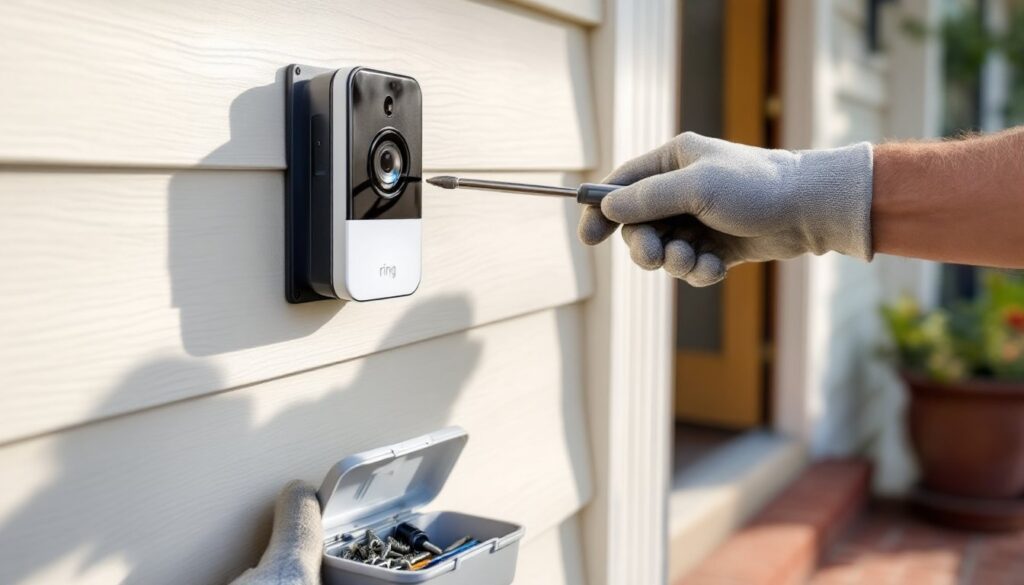
Some landlords install surveillance cameras in common areas. They cannot, but, place cameras inside rental units or in areas where tenants have a reasonable expectation of privacy.
Protection From Retaliation and Unlawful Eviction
Anti-retaliation laws represent critical tenant rights that protect renters who assert their legal protections. Landlords cannot punish tenants for exercising their rights.
Protected activities include:
- Reporting code violations to housing authorities
- Complaining about habitability issues
- Joining or organizing tenant unions
- Testifying in housing-related legal proceedings
- Requesting legally required repairs
Retaliation can take many forms: rent increases, service reductions, harassment, or eviction attempts. Most states presume retaliation if a landlord takes adverse action within 60 to 180 days after a tenant’s protected activity.
Unlawful eviction, also called self-help eviction, occurs when landlords try to force tenants out without going through proper legal channels. Landlords cannot:
- Change the locks without notice
- Remove doors or windows
- Shut off utilities
- Remove tenant belongings
- Physically threaten or intimidate tenants
These actions are illegal regardless of whether rent is owed or the lease has expired. Landlords must follow formal eviction procedures through the courts. Tenants facing illegal lockouts can call police, seek emergency court orders, and sue for damages.
Understanding these best tenant rights helps renters recognize illegal landlord behavior quickly. Documentation remains essential, save all communications and record dates of any suspicious landlord actions.