Tenant rights trends 2026 are reshaping how renters live, lease, and protect themselves across the United States. From stronger rent control laws to new digital privacy rules, the landscape is shifting fast. Renters who stay informed will be better equipped to advocate for themselves and avoid costly surprises.
This year brings significant changes at the state and local level. Legislatures are responding to housing affordability crises with expanded protections. At the same time, technology is raising new questions about privacy in rental homes. Whether someone rents an apartment in a major city or a single-family home in the suburbs, these tenant rights trends 2026 will likely affect their daily life.
Table of Contents
ToggleKey Takeaways
- Tenant rights trends 2026 bring expanded rent control laws, with more states capping annual rent increases between 3% and 10%.
- Just cause eviction protections are spreading, requiring landlords to provide valid reasons before removing tenants.
- Right to counsel programs are expanding, giving low-income renters free legal representation in eviction cases.
- Stricter habitability standards now require proactive inspections and address hazards like mold, lead paint, and poor ventilation.
- New digital privacy regulations require landlords to disclose smart home devices and limit surveillance in rental properties.
- Renters should review local laws, document all communications, and seek legal aid when facing disputes to protect their rights.
Expanding Rent Control and Stabilization Measures
Rent control is making a comeback. In 2026, more states and cities are passing or strengthening rent stabilization laws. These measures cap how much landlords can raise rent each year, typically between 3% and 10%, depending on the location.
California, New York, and Oregon already have statewide rent control laws. Now, states like Minnesota, Colorado, and Washington are debating similar policies. Several cities in these states have passed local ordinances that limit annual rent increases.
Why the sudden push? Housing costs have outpaced wages for years. According to recent data, nearly half of all renters spend more than 30% of their income on housing. Tenant rights trends 2026 reflect a growing demand for affordability protections.
Rent stabilization doesn’t freeze rents. Landlords can still increase prices, just not without limits. Some laws also require landlords to justify large increases with documented costs like property taxes or major repairs.
Renters should check their local laws carefully. Rent control rules vary widely. Some apply only to older buildings. Others exempt single-family homes or small landlords. Knowing the specifics can save renters hundreds, or thousands, of dollars each year.
Enhanced Eviction Protections and Just Cause Requirements
Eviction laws are tightening in 2026. More jurisdictions now require landlords to provide a valid reason, known as “just cause”, before removing a tenant.
Just cause eviction laws prevent landlords from evicting renters for arbitrary reasons. Valid causes typically include nonpayment of rent, lease violations, or the landlord’s intent to move into the unit. Without just cause protections, landlords in many areas can simply choose not to renew a lease.
Several states have expanded these protections since 2024. New Jersey, for example, strengthened its Anti-Eviction Act. Cities like Philadelphia and Minneapolis have added local just cause requirements. These tenant rights trends 2026 mark a shift toward greater housing stability.
Eviction notice periods are also increasing. Many areas now require 60 to 90 days’ notice for no-fault evictions, up from 30 days in previous years. This gives renters more time to find new housing.
Relocation assistance is another growing trend. Some cities now require landlords to pay moving costs when they evict tenants without fault. Amounts range from one month’s rent to several thousand dollars.
Renters facing eviction should document everything. Keep copies of all notices, communications, and payments. If the eviction seems unjust, legal aid may be available.
Right to Counsel and Legal Aid Programs
Access to legal help is expanding for renters in 2026. More cities are guaranteeing free legal representation in eviction cases through “right to counsel” programs.
New York City launched the first right to counsel program in 2017. Since then, cities like San Francisco, Cleveland, Baltimore, and Detroit have followed. In 2026, additional cities are expected to approve similar programs.
The results speak for themselves. Studies show that tenants with legal representation are far more likely to stay in their homes. In New York, evictions dropped significantly in zip codes covered by the program.
These tenant rights trends 2026 address a major imbalance. Landlords almost always have lawyers in eviction court. Tenants rarely do. This gap leads to unfair outcomes, even when tenants have valid defenses.
Funding for these programs comes from various sources. Some cities use local tax revenue. Others receive state or federal grants. A few programs partner with law schools and nonprofit legal organizations.
Renters who receive an eviction notice should immediately check if their area offers free legal help. Many programs have income limits, so applying early is important. Even outside right to counsel cities, legal aid societies often assist low-income tenants.
Growing Focus on Habitability and Tenant Health
Habitability standards are getting stricter in 2026. Lawmakers are responding to concerns about mold, lead paint, pest infestations, and poor ventilation in rental properties.
All landlords must provide livable conditions. This legal requirement, called the implied warranty of habitability, exists in every state. But enforcement has often been weak. Tenant rights trends 2026 are changing that.
Several jurisdictions now require proactive inspections. Instead of waiting for complaints, cities are sending inspectors to rental properties on a regular schedule. Los Angeles, Boston, and Washington, D.C. have expanded inspection programs.
New laws also target specific hazards. California passed stricter rules on mold remediation. New York strengthened lead paint disclosure requirements. Other states are addressing indoor air quality and ventilation, partly in response to lessons learned during the pandemic.
Penalties for violations are increasing too. Landlords who ignore habitability problems may face larger fines, rent reductions, or even criminal charges in extreme cases.
Tenants should report unsafe conditions in writing. Keep photos and copies of all complaints. If a landlord fails to act, tenants may have the right to withhold rent or make repairs and deduct the cost. Local tenant rights organizations can explain the specific rules in each area.
Digital Privacy and Smart Home Regulations
Smart home technology creates new privacy questions for renters. In 2026, lawmakers are starting to address these concerns through new regulations.
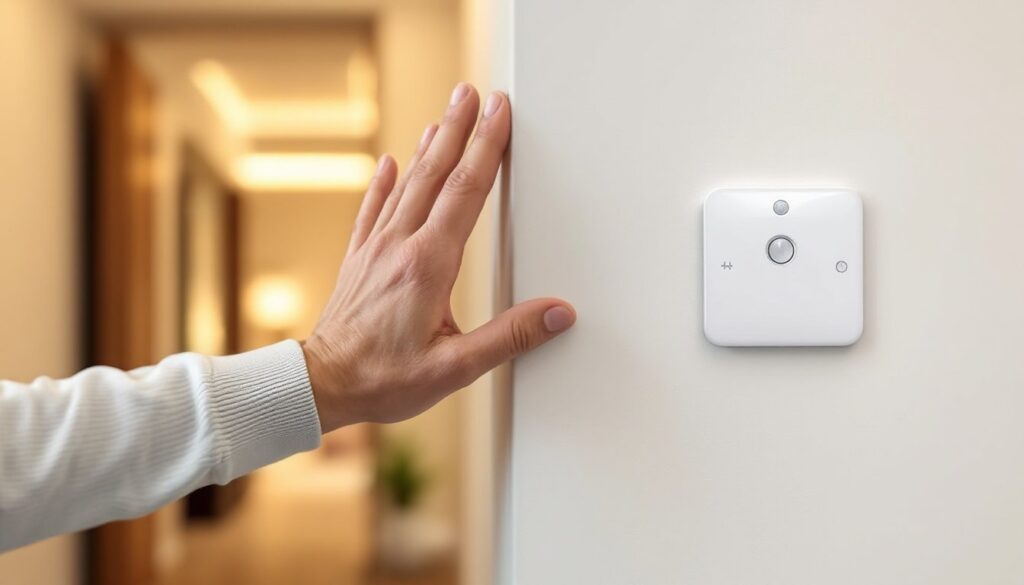
Many landlords now install smart locks, video doorbells, and internet-connected thermostats. These devices offer convenience and security. But they also collect data. Renters may not know what information their landlord can access.
Tenant rights trends 2026 include new disclosure requirements. Some states now require landlords to tell renters what smart devices are installed and what data they collect. A few jurisdictions give tenants the right to disable certain features.
Surveillance is a key concern. Video doorbells and hallway cameras can record tenant activities. Laws in several states limit where cameras can be placed and how footage can be used. Renters generally have greater privacy protections inside their units than in common areas.
Smart locks raise another issue: access control. Landlords with remote access can lock or unlock doors without being present. Some tenant advocates worry about potential abuse. New regulations may require landlords to notify tenants before accessing their units remotely.
Renters should read their lease carefully. Look for clauses about technology, data collection, and surveillance. If something seems unclear, ask for clarification in writing. As smart home technology becomes more common, these privacy rules will continue to evolve.