
Spotting tiny flying bugs in house is one of those annoyances that starts small and quickly becomes a full-blown distraction. One or two buzzing near the kitchen sink? No big deal. A cloud of them hovering over the fruit bowl or swarming the bathroom drain? That’s a problem. These tiny black flies in house aren’t just a nuisance, they signal moisture issues, food waste, or organic debris that’s feeding their life cycle. The good news: most infestations are solvable with basic supplies and a methodical approach. No need for an exterminator unless things have spiraled out of control.
Key Takeaways
- Tiny flies in your house typically originate from moisture, food waste, and organic debris—most commonly fruit flies, drain flies, fungus gnats, or phorid flies—each requiring identification to determine the best control strategy.
- Eliminate tiny flies in house using a two-pronged approach: kill existing adults with apple cider vinegar traps and destroy breeding sites through drain cleaning, soil treatment, and removing food sources.
- Drain flies breed in biofilm inside pipes, so physical scrubbing with a drain brush and enzymatic cleaners are more effective than bleach alone; fungus gnats thrive in overwatered potting soil and can be controlled by letting soil dry between waterings and applying BTI granules.
- Prevent tiny flies from returning by fixing leaky pipes, storing ripe fruit in the fridge, maintaining drains monthly with enzymatic cleaners, and watering houseplants correctly to keep soil surfaces dry.
- Most tiny fly infestations are solvable with basic supplies and consistent home maintenance—focus on breaking the breeding cycle through regular cleaning, humidity control, and inspecting grocery items before bringing them indoors rather than relying on bug zappers or aerosol insecticides.
What Are Those Tiny Flies in Your Home?
Those tiny flying insects in house are typically one of several species that thrive in damp, organic-rich environments. Most measure 1/8 inch or smaller, about the size of a pinhead, and they breed fast. A single female can lay hundreds of eggs in a matter of days, turning a minor sighting into a swarm within a week.
What are the tiny flies in my house? The answer depends on where they’re congregating. Tiny flies clustered around drains, overripe produce, houseplants, or garbage disposals are usually one of four common culprits: fruit flies, drain flies, fungus gnats, or phorid flies. Each has distinct habits and breeding sites, but they all share a love for moisture and decaying organic matter.
Identification is the first step. Grab a flashlight and check the usual suspects: sink drains, trash cans, compost bins, and potted plants. Look for larvae (small, pale, worm-like critters) in drain sludge or soil. Adults will hover near their breeding sites, making them easier to track than you’d think.
Common Types of Tiny Flies Found Indoors
Fruit Flies and Drain Flies
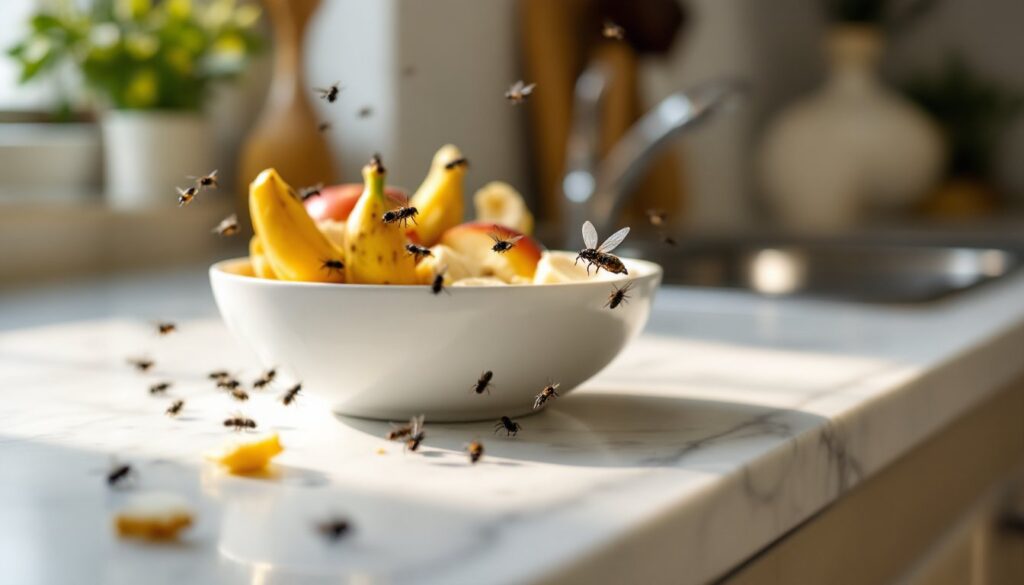
Fruit flies (Drosophila) are the tan or brown tiny flying bugs in house that zero in on ripe or rotting fruit, open wine bottles, and sticky spills. They’re about 1/8 inch long with red eyes (under magnification). Fruit flies breed in fermenting organic material, think banana peels in the trash, forgotten apple cores, or that drip of juice under the fridge. Their life cycle from egg to adult takes about a week at room temperature, so populations explode quickly.
Expert fruit fly control often starts with eliminating breeding sites and setting vinegar traps. A small bowl of apple cider vinegar with a drop of dish soap works because the soap breaks surface tension, drowning flies that land to feed.
Drain flies (also called moth flies) are the tiny black or gray fuzzy-winged insects that appear near sinks, showers, and floor drains. They’re slow fliers and rest on walls near drains. Drain flies breed in the biofilm, slimy organic gunk, that builds up inside pipes. Larvae feed on this film, so simply pouring bleach down the drain won’t cut it. You need to physically scrub the pipe walls with a drain brush or use an enzymatic drain cleaner that digests biofilm.
Fungus Gnats and Phorid Flies
Fungus gnats are the small tiny flying bugs in house that hover around houseplants. They’re dark, delicate, mosquito-like flies about 1/16 to 1/8 inch long. Adults are harmless, but their larvae live in moist potting soil and feed on fungi, organic matter, and sometimes plant roots. Overwatered plants are prime breeding grounds.
To confirm fungus gnats, check the soil surface for tiny white larvae. Let the top 1–2 inches of soil dry out between waterings. Consider top-dressing pots with a 1/2-inch layer of horticultural sand or diatomaceous earth to prevent adults from laying eggs in the soil.
Phorid flies (humpbacked flies) are little tiny flying bugs in house that resemble fruit flies but have a distinctive jerky, erratic flight pattern. They breed in decaying organic matter, sewage, garbage disposals, and even cracks in floor tiles where food debris accumulates. Phorid flies are trickier because they can breed in hidden areas like broken sewer lines or crawlspace moisture. If you’ve eliminated other sources and still see flies, inspect for plumbing leaks or drainage issues. Chronic phorid fly problems may require a plumber to check under-slab drains or floor penetrations.
Why Tiny Flies Are Invading Your House
Tiny flies don’t appear out of nowhere, they’re exploiting conditions homeowners inadvertently create. The three most common factors: moisture, food sources, and access points.
Moisture is the big one. Leaky pipes, slow drains, overwatered plants, and damp baskets all provide the wet environment larvae need. Even a thin film of water in a rarely used sink is enough. Check under sinks for condensation or pinhole leaks in drain traps. In bathrooms, clean out the overflow hole in sinks, it’s a prime drain fly nursery.
Food sources range from obvious (garbage cans, compost bins) to sneaky. Spilled soda under the fridge, fermenting beer in a recycling bin, or a forgotten potato sprouting in the pantry can all trigger outbreaks. Fruit flies can breed in mop buckets, wet rags, and even the drip tray under your coffee maker.
Access points matter less than you’d think. Tiny flying black bugs in house often originate indoors rather than flying in through windows. That said, damaged window screens, gaps around doors, and open vents can let flies enter. More commonly, they hitch a ride on store-bought produce or potted plants. Inspect grocery bags and quarantine new houseplants for a few days to catch any stowaways.
Seasonal spikes are normal. Warmer months accelerate breeding cycles, and late summer brings fruit fly peaks when gardens and orchards are producing. Homes with simple cleaning routines tend to have fewer infestations because they stay ahead of spills and organic buildup.
Effective DIY Solutions to Get Rid of Tiny Flies
Eliminating what are the tiny flying bugs in my house requires a two-pronged approach: kill existing adults and destroy breeding sites. Traps alone won’t solve the problem if larvae keep hatching.
Apple cider vinegar traps are the go-to for fruit flies. Fill a small jar or bowl with 1/4 cup apple cider vinegar, add 2–3 drops of dish soap, and cover with plastic wrap secured by a rubber band. Poke 5–6 small holes in the wrap. Flies crawl in but can’t escape. Replace every 2–3 days.
Drain cleaning tackles drain flies and some phorid flies. Use a stiff-bristled drain brush (the kind with a long flexible handle) to scrub 12–18 inches down the drain. Follow with boiling water and an enzymatic cleaner like Bio-Clean or Green Gobbler. Avoid relying solely on bleach, it doesn’t penetrate biofilm effectively and can damage pipes.
Soil treatments handle fungus gnats. Let soil dry between waterings. Apply Bacillus thuringiensis israelensis (BTI) granules or mosquito dunks dissolved in water to kill larvae. BTI is a naturally occurring bacteria safe for plants and pets. Top-dress with diatomaceous earth or sand to block egg-laying.
Sticky traps (yellow cards) catch adults near plants or problem areas. They won’t eliminate the source but reduce populations and help you monitor progress.
Garbage and compost management is non-negotiable. Rinse recyclables before binning them. Take out kitchen trash daily during infestations. Keep compost bins sealed and empty drip trays under trash cans weekly. Wipe down the inside lid of garbage cans with a bleach solution to remove residue.
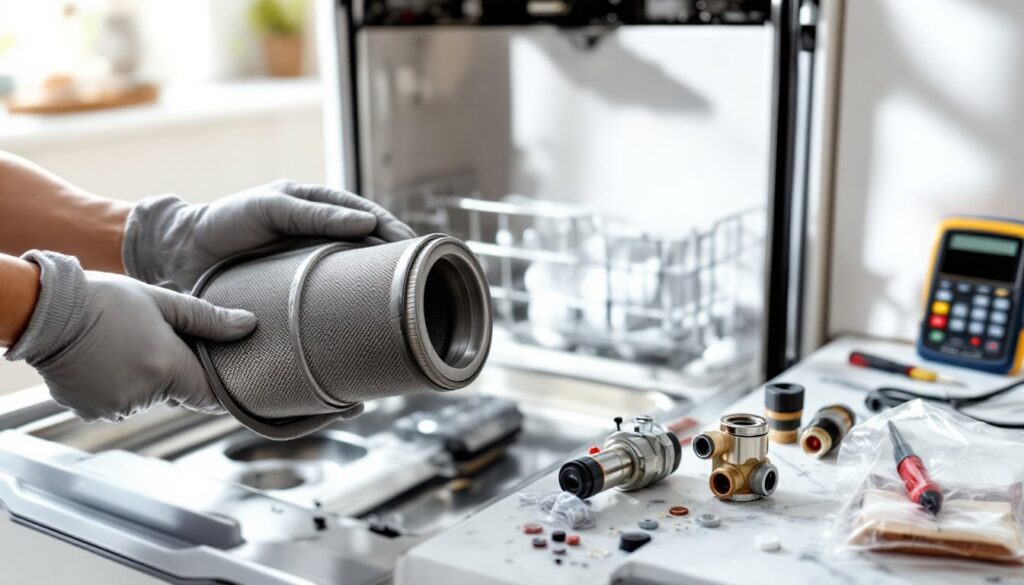
Deep cleaning hidden spots pays off. Pull out the refrigerator and stove to clean beneath them. Check the microwave drip tray, dishwasher filter, and garbage disposal splash guard. These areas collect food particles that tiny flies exploit.
For serious infestations, consider a handheld vacuum to suck up adult flies from walls and windows. Empty the canister immediately into an outdoor trash bin. This won’t solve the root cause but reduces the breeding population while other measures take effect.
Avoid bug zappers indoors, they’re loud, messy, and not particularly effective against tiny flies. Aerosol insecticides offer a quick knockdown but don’t address breeding sites. Use them sparingly and only as a supplement to cleaning and traps.
How to Prevent Tiny Flies from Returning
Once you’ve cleared an infestation, prevention is about breaking the cycle before it starts.
Dry out breeding sites. Fix leaky faucets and pipe joints. After evening showers, wipe down tub and sink surfaces to eliminate standing water. Run bathroom exhaust fans for 15–20 minutes post-shower to reduce humidity. In kitchens, don’t let sponges or dishcloths sit wet in the sink, wring them out and hang to dry.
Store produce properly. Keep ripe fruit in the fridge. If countertop storage is a must, inspect fruit daily and toss anything overripe. Wash berries and grapes before refrigerating to remove any eggs. Use airtight containers for opened snacks, grains, and pet food.
Maintain drains monthly. Even if you don’t see flies, scrub kitchen and bathroom drains monthly with a brush and enzymatic cleaner. This prevents biofilm buildup before it becomes a problem. Pour a kettle of boiling water down rarely used drains (basement sinks, laundry tubs) every few weeks to flush debris.
Water houseplants correctly. Use a moisture meter or the finger test, stick your finger 1–2 inches into the soil. If it’s damp, wait to water. Bottom-watering (placing pots in a tray of water) encourages roots to grow downward and keeps the soil surface dry, reducing gnat habitat. Ensure pots have drainage holes and don’t let them sit in saucers of water.
Inspect grocery bags and plants. Check store-bought produce for tiny flies before bringing it inside. Quarantine new houseplants on a porch or mudroom for 3–5 days and watch for flying insects. If you spot any, treat the soil with BTI before moving the plant indoors.
Seal entry points. Repair torn window screens and add door sweeps to exterior doors. Caulk gaps around plumbing penetrations under sinks. While most tiny flies breed indoors, sealing up the house reduces other pest issues and improves energy efficiency.
Regular cleaning cadence. Wipe counters and stovetops daily. Sweep and mop kitchen floors weekly, paying attention to baseboards and corners where crumbs accumulate. Empty and clean trash cans weekly, not just when they’re full. Homeowners who follow consistent home maintenance schedules report fewer pest issues overall.
Monitor humidity levels. Use a hygrometer to check indoor humidity. Ideal range is 30–50%. If you’re consistently above 60%, especially in basements or bathrooms, consider a dehumidifier. High humidity promotes mold, mildew, and fly breeding.
By treating tiny flies like a symptom rather than the disease, most homeowners can stay ahead of infestations with routine maintenance and a little vigilance. It’s less about one-time fixes and more about building habits that don’t give these pests a foothold.