
Anyone who’s ever rented a home carpet cleaner from the grocery store knows the letdown: weak suction, slow drying, and stains that reappear two days later. Commercial-grade carpet cleaners skip the compromises. They’re built for high-traffic job sites, rental properties, and facilities where downtime isn’t an option, but they’re increasingly accessible for homeowners tackling tough jobs. Whether you’re dealing with pet accidents, years of ground-in dirt, or prepping a room for resale, a commercial unit delivers extraction power and tank capacity that consumer models can’t match. This guide walks through what separates commercial machines from residential ones, how to choose the right features, and how to operate them without soaking your subfloor or burning out the motor.
Table of Contents
ToggleKey Takeaways
- Commercial carpet cleaners deliver 80–120 CFM suction and heated solution at 150–210°F, removing 30–50% more embedded soil per pass than consumer models.
- A commercial carpet cleaner pays for itself after five or six cleaning jobs, eliminating recurring $30–$50 rental fees and offering access to more powerful extraction for high-traffic areas.
- Proper technique—vacuuming first, pre-treating stains, overlapping passes, and making dual extraction passes in high-traffic zones—is essential to avoid over-wetting and achieve fast 4–6 hour drying times.
- Dual-stage motors rated at 10–12 amps, water lift specs of 100+ inches, and 1.5-inch internal diameter hoses ensure a commercial carpet cleaner maintains extraction power across thick carpet padding and upholstery.
- Regular maintenance including post-job tank rinsing, monthly filter cleaning, annual heater descaling, and running the machine every 3–4 months extends service life to a full decade.
What Is a Commercial Carpet Cleaner and How Does It Differ from Home Models?
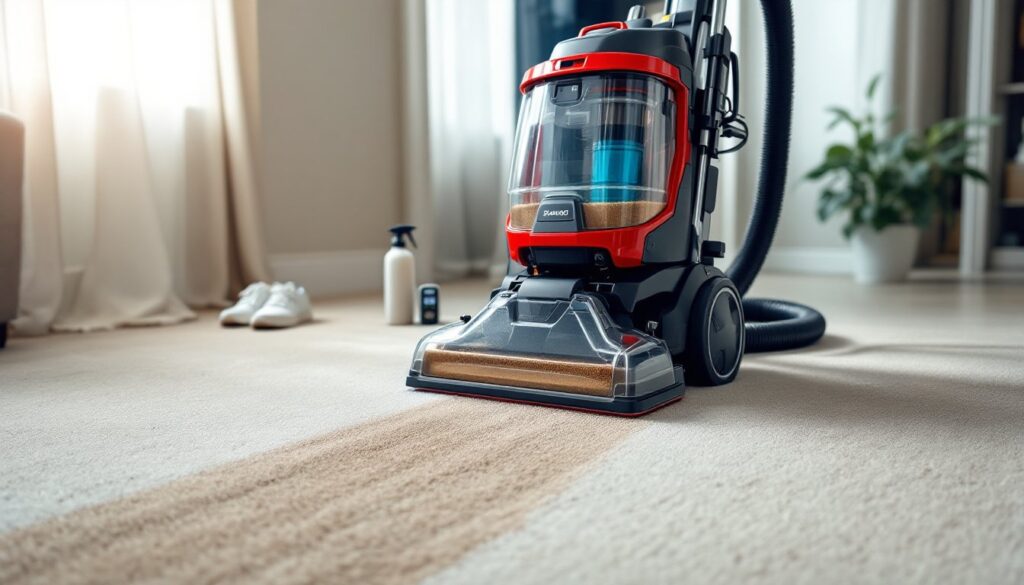
A commercial carpet cleaner is an extraction machine designed for continuous use in high-demand environments, hotels, offices, rental turnovers, and cleaning companies. The core difference isn’t branding: it’s engineering for durability, heat, and water flow.
Commercial units typically feature dual-stage vacuum motors that pull 80–120 CFM (cubic feet per minute) of airflow, compared to 40–60 CFM in consumer models. That extra suction matters when you’re trying to extract water from dense carpet padding before mold gets a foothold. They also run heated cleaning solution at 150–210°F, which breaks down oils and proteins that cold-water machines leave behind.
Tank capacity separates the pros from the hobbyists. Commercial machines hold 3–15 gallons of clean solution (versus 1–2 gallons in home models), cutting refill trips when you’re cleaning 500+ square feet. Recovery tanks are proportionally larger, expect to empty them every 300–400 square feet depending on soil load and technique.
Build quality shows up in pumps, hoses, and housings. Commercial-grade units use rotary or diaphragm pumps rated for 500+ hours of service, stainless steel fittings, and tool-mounting brackets. Consumer models use centrifugal pumps and plastic quick-connects that crack under jobsite abuse. Weight is a trade-off: commercial units run 35–80 pounds empty, so factor in stairs and storage before you commit.
One more distinction: portability versus truck-mounted systems. Portable commercial cleaners are self-contained and plug into standard 120V outlets. Truck-mounted units (used by many pro services) run off a vehicle’s engine and deliver even higher heat and suction, but they’re not practical for DIY use.
Top Benefits of Using a Commercial Carpet Cleaner in Your Home
The upfront cost stings, but a commercial-grade carpet cleaner pays off if you have the square footage or stain frequency to justify it.
Faster drying times top the list. High CFM extraction pulls moisture from carpet and pad in one or two passes, leaving fibers damp (not soaked). With good airflow, most rooms dry in 4–6 hours instead of 12–24. That’s critical if you’re turning a rental unit or dealing with kids and pets who can’t avoid a wet floor.
Deep soil removal comes from heat and pressure. Heated solution at 180°F liquefies grease, body oils, and tracked-in grime that cold water just smears around. Pair that with a rotating brush head (standard on many commercial models), and you’re agitating fibers at 500–1,000 RPM while extracting simultaneously. Independent testing shows commercial machines remove 30–50% more embedded soil per pass than consumer extractors.
Long-term carpet life improves when you can remove soil before it abrades fibers. Grit acts like sandpaper under foot traffic: regular hot-water extraction (every 12–18 months for high-traffic areas) keeps carpet looking newer longer. Manufacturers like Shaw and Mohawk both recommend hot-water extraction as the preferred deep-clean method to maintain warranties.
You’ll also save on rental fees if you clean more than once a year. Grocery-store rentals run $30–$50 per day (plus overpriced proprietary solution). After five or six jobs, you’ve covered the cost of a quality commercial-grade machine you can run on your schedule with third-party detergents.
Finally, commercial units handle upholstery, stairs, and auto interiors with the right attachments. A 6-inch stair tool or upholstery wand connects to the same hose, turning one machine into a whole-home extraction system. Consumer models rarely have the suction to lift water from vertical surfaces or thick cushion foam.
Key Features to Look for When Choosing a Commercial Carpet Cleaner
Not all commercial carpet cleaners are built for the same jobs. Match features to your space and stain profile.
Motor power and suction: Look for dual-stage motors rated at 10–12 amps total draw. Single-stage motors (common in hybrid consumer/commercial models) won’t pull enough water on thick padding. Check the water lift spec, 100+ inches is the baseline for effective extraction.
Heated cleaning: Some units have inline heaters: others rely on tap hot water. Inline heaters maintain 150–180°F at the nozzle regardless of tank temperature, but they add 3–5 amps to the electrical load. If your home has older wiring (15-amp circuits), you may trip breakers running heater + motor simultaneously. Hot-tap models are simpler but lose heat as the tank drains.
Tank size versus portability: A 12-gallon solution tank cleans 800+ square feet per fill but weighs 130+ pounds when full. If you’re working solo or have a two-story home, a 3–5 gallon unit is more manageable. Run the math: every gallon of solution covers roughly 60–80 square feet depending on soil level and overlap.
Hose length and tool compatibility: Standard hoses are 15 feet: pro models offer 25–50 feet. Longer hoses reduce machine repositioning but can lose suction if the diameter is too narrow. Look for 1.5-inch internal diameter hoses to maintain CFM at the head. Check that the machine accepts standard 1.5-inch attachment fittings, proprietary connectors lock you into one manufacturer’s tooling.
Weight and wheel design: Machines under 40 pounds are easier to load and store: machines over 60 pounds often include larger wheels and tow handles. Solid rubber wheels handle thresholds: plastic wheels crack on concrete. If you’ll cross hardwood or tile, make sure wheels are non-marking.
Auto-fill and dump features: High-end commercial units include quick-connect auto-fill ports and gravity drains for the recovery tank. These are overkill for residential use but handy if you’re cleaning entire rental properties between tenants.
Noise level: Commercial extractors run 70–85 dB. That’s leaf-blower territory, so plan on ear protection for extended jobs and warn housemates before you fire it up.
How to Use a Commercial Carpet Cleaner: Step-by-Step Guide
Commercial machines deliver pro results only if you follow the prep and technique that pros use. Skipping steps leaves you with wet carpet and mediocre cleaning.
Step 1: Vacuum thoroughly. Remove loose soil, pet hair, and debris with a standard vacuum. A commercial carpet cleaner isn’t a vacuum, embedded grit clogs jets and turns your cleaning solution into muddy slurry.
Step 2: Pre-treat stains. Spray enzyme digesters on pet stains, oil-based spot removers on grease, and let them dwell 5–10 minutes. Commercial extractors don’t magically erase set-in stains: they lift what’s been chemically loosened.
Step 3: Mix solution at the correct ratio. Most commercial detergents call for 2–6 ounces per gallon of hot water. Over-diluting wastes suction on plain water: over-concentrating leaves sticky residue that attracts dirt. Use a measuring cup, eyeballing it doesn’t work. Fill the tank with the hottest tap water available (or let the inline heater do its job).
Step 4: Test in an inconspicuous area. Run a small pass in a closet or under furniture. Check for color bleeding, fiber damage, or excessive foam. Wait 10 minutes, then check moisture penetration with your hand. If the padding feels soaked, reduce solution flow or increase extraction passes.
Step 5: Clean in overlapping passes. Start at the far corner and work toward the exit. Pull the machine backward slowly, 1 foot every 3–4 seconds, while holding the trigger. Release the trigger and push forward (dry stroke) at the same slow speed. Overlap each pass by 2–3 inches. Rushing leaves streaks: going too slow oversaturates.
Step 6: Make two passes in high-traffic zones. Hallways, entryways, and in front of sofas need extra attention. Run the first pass with solution, then a second dry pass (no trigger) to pull residual moisture.
Step 7: Empty the recovery tank regularly. Don’t wait until it’s full, suction drops off as the tank fills. Dump it when it’s 70–80% full, rinse it out, and keep going.
Step 8: Ventilate and dry. Open windows, run fans, and turn on HVAC. Avoid walking on the carpet until it’s dry to the touch (4–8 hours). Place aluminum foil or plastic under furniture legs if you must replace items early, wood stain and metal rust transfer to damp carpet.
Safety note: Wear gloves and eye protection when handling concentrated detergent. If you’re cleaning a basement or room without good ventilation, crack a window, some cleaning agents release VOCs.
Maintenance Tips to Extend Your Commercial Carpet Cleaner’s Lifespan
Commercial machines cost $400–$2,500, so treat them like the investment they are. Neglect kills pumps and motors: basic upkeep buys you a decade of service.
Rinse tanks and hoses after every job. Leftover detergent crystallizes in jets and check valves. Fill the solution tank with clean water, run it through the system for 30 seconds, then dump the recovery tank. Flush hoses by running water with the machine off, gravity does most of the work.
Clean or replace filters monthly. Most commercial extractors have a foam or screen filter in the recovery tank lid. Pull it, rinse under hot water, and let it dry completely before reinstalling. Clogged filters choke airflow and overheat motors.
Inspect belts and brushes every 20 hours. If your unit has a rotating brush, check the drive belt for glazing or cracks. Brushes wear down with use, replace them when bristles are 50% shorter than new. Worn brushes reduce agitation: frayed belts snap mid-job.
Descale the heater annually. Hard water leaves mineral deposits in inline heaters. Run a 50/50 white vinegar and water solution through the system, let it sit for 15 minutes, then flush with clean water. Skip this and you’ll see weak heating and eventual element failure.
Store with tanks empty and uncapped. Trapped moisture breeds mold and corrodes seals. After rinsing, leave the tank caps off overnight so everything dries out. Store the machine in a climate-controlled space if possible, freezing temps can crack pump housings.
Check hose connections and gaskets. Leaks at the wand or tank fittings waste suction. Tighten clamps and replace worn O-rings. Most commercial machines use standard sizes available at hardware stores, keep spares on hand.
Run the machine at least once every 3–4 months. Even if you don’t have a cleaning job, run clean water through the system to keep seals lubricated and motors from seizing. It’s the same principle as starting a generator periodically.
Log your hours. Many commercial units recommend pump service or motor brush replacement at 500–1,000 hours. Keep a notebook or phone log of runtime so you’re not caught off-guard by a breakdown.
Common Mistakes to Avoid When Operating a Commercial Carpet Cleaner
Even experienced DIYers screw up commercial extraction. Here’s what trips people up.
Over-wetting the carpet. Holding the trigger down while moving forward pumps solution into the pad faster than the vacuum can extract it. Result: soaked subfloor, 48-hour dry times, and potential mold. Only trigger while pulling backward: release on the forward stroke.
Using too much detergent. More soap doesn’t mean cleaner carpet, it means sticky residue that attracts dirt within weeks. Studies conducted by cleaning experts confirm that residue from over-dilution accelerates resoiling. Follow the bottle’s dilution ratio exactly.
Skipping the vacuum step. Trying to extract dirt instead of chemically loosening and lifting it clogs jets and turns your recovery tank into a mud pit. Always vacuum first.
Cleaning in the wrong direction. Some carpet has a nap direction (you can see it by brushing your hand across). Clean against the nap on the solution pass, with the nap on the extraction pass. This lifts and resets fibers.
Not testing colorfastness. Wool, silk blends, and some natural-fiber carpets (jute, sisal) can bleed or shrink with hot water extraction. Test a hidden area first, or call in a pro. If you’re unsure about your carpet type, check the manufacturer’s care tag, it’s usually stapled under a floor vent or along a closet edge.
Ignoring tripped breakers. If the machine keeps tripping your circuit breaker, don’t keep resetting it. You’re either on an overloaded circuit or the heater is drawing too much current. Run the machine on a dedicated 15 or 20-amp circuit, or disable the inline heater.
Walking on wet carpet with shoes. Damp carpet wicks dirt like a sponge. If you must cross it, go barefoot or in clean socks.
Neglecting corners and edges. The main cleaning head is 10–12 inches wide and won’t reach baseboards. Use a hand tool or crevice wand for edges, or you’ll have dirty borders framing every room.
Storing the machine dirty. Detergent left in tanks and lines hardens into gunk that clogs valves and breeds bacteria. Rinse everything, every time.
Conclusion
A commercial-grade carpet cleaner isn’t a magic wand, but it’s the closest thing to hiring a pro crew without the per-room invoice. With the right machine, proper technique, and routine maintenance, homeowners can tackle deep extraction jobs that leave carpets cleaner, dryer, and longer-lasting than any rental or consumer model delivers. Whether you’re managing a rental property, dealing with pets, or just refusing to live with dingy high-traffic areas, understanding how these machines work, and where they outperform residential gear, gives you the control and results that make the investment worthwhile.